

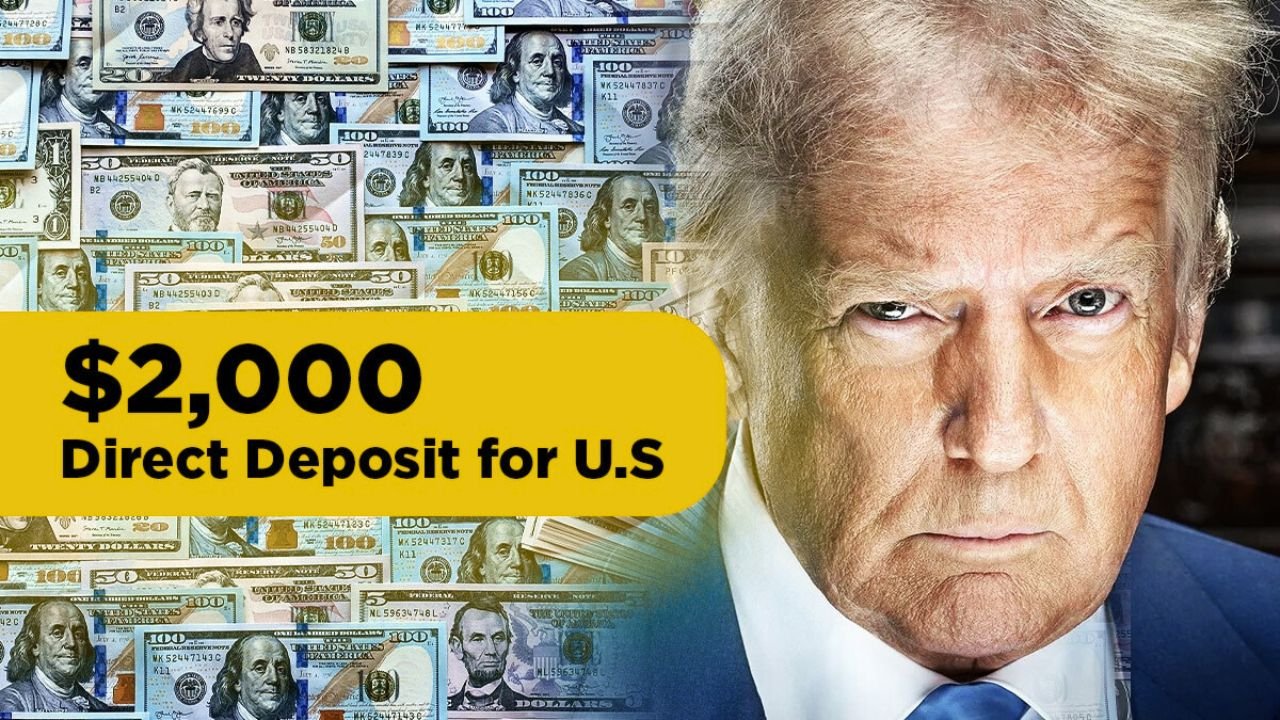
Social media has been buzzing with one bold claim: “The IRS is sending out $2,000 direct deposits in November 2025!” For families facing rising prices and holiday expenses, the idea sounds tempting—almost too good to be true.
And that’s exactly the problem.
Before you click any “Claim Now” link or share your bank details, here’s the real story behind this viral rumor and what you must know to stay safe.
What’s Causing the Buzz About a $2,000 IRS Payment?
The rumor started circulating on TikTok, Facebook, and several unofficial “news” blogs. Posts claim the IRS has approved a new $2,000 stimulus-style payment for U.S. citizens, supposedly arriving in November 2025 through direct deposit.
But here’s the truth:
No new IRS stimulus or direct payment program has been approved for 2025.
No law passed.
No official announcement.
No confirmed payment schedule.
It’s a recycled claim built from old pandemic-era benefits.
Where the Rumor Really Came From
To understand why this went viral, we need a quick look back:
Pandemic Payments Sparked Confusion
- In 2020–2021, the IRS issued Economic Impact Payments (stimulus checks) up to $1,400.
- Some taxpayers later claimed Recovery Rebate Credits on tax returns.
Scam websites are now twisting these old programs into “new November 2025 payouts,” hoping to lure people into clicking fake claim links.
Fake Headlines Amplified the Myth
Misleading posts—often AI-generated—use phrases like:
- “IRS approves NEW $2,000 benefit”
- “Claim Your Direct Deposit Now”
- “Payments hit bank accounts THIS WEEK”
These headlines exist to drive traffic, harvest data, or trick readers into entering personal information.
Why This Matters: Real Risks for 2025
In an economy where groceries, rent, and utilities keep climbing, financial relief rumors spread fast. Scammers know this.
Falling for these claims can lead to:
- Identity theft
- Bank account fraud
- Phishing attacks
- Loss of personal data
- Fake application fees
The FTC reported millions of IRS-related scam attempts last year—and 2025 is already seeing a major spike.
How to Protect Yourself: Smart Verification Tips
1. Check Only Official Sources
The IRS will never announce payments through:
- TikTok
- Facebook Reels
- YouTube shorts
- Blogs with “Claim Now” buttons
Verify only through IRS.gov.
2. Avoid Clicking “Eligibility Check” Links
If a site asks for:
- SSN
- Bank details
- Upfront fees
—it’s a scam.
3. Know How Real IRS Payments Work
Legitimate payments only come from laws passed by Congress.
No law = no payment.
4. Use IRS Tools Wisely
For refunds or tax credits, the IRS provides:
- Where’s My Refund?
- Get Your Payment (used only during stimulus years)
Real Stimulus vs. 2025 Rumor: Quick Comparison
| Feature | Real Pandemic Stimulus | 2025 $2,000 Rumor |
|---|---|---|
| Source | Federal legislation | No law, no approval |
| Amount | Up to $1,400 | Claimed $2,000 |
| Method | IRS direct deposit/check | Fake links & viral posts |
| Eligibility | Income-based | Vague “all citizens” |
| Status | Completed | False |
FAQs: Clearing Up the Confusion
1. Is the IRS sending $2,000 in November 2025?
No. There is no approved IRS program issuing $2,000 payments.
2. Are there any new stimulus checks coming soon?
Not currently. Future payments would require Congressional approval.
3. How do I check if I’m owed past credits?
File your tax return and review IRS.gov for unclaimed refunds or credits.
4. What if I clicked a fake link?
Immediately freeze your credit and report the incident at ReportFraud.FTC.gov.
5. How can I avoid IRS scams?
The IRS never asks for info via text, email, or social media. Stick to official channels only.
Conclusion: Stay Alert, Stay Informed
The “IRS $2,000 November 2025 Direct Deposit” rumor is just that—a rumor. While the idea of extra cash is appealing, scammers are using this hype to target vulnerable Americans.
Your best defense?
Stay informed, verify every claim, and rely solely on IRS.gov for real updates.
Share this information with friends or family who may be at risk—your caution could save someone from losing far more than $2,000.